UX Fundamentals Project
Career-Bond (formerly Meratas) is a fintech platform that helps students finance education through flexible loan programs. The project focused on improving user trust and transparency during the loan discovery and application process. Through UX research and iterative design, I created a research-backed prototype that simplified navigation, clarified repayment details, and supported Career-Bond’s rebrand toward transparency.
The Challenge
Career-Bond’s original platform presented complex information that overwhelmed users and caused drop-offs during loan applications. Many students found the repayment breakdown confusing and distrusted hidden costs. The challenge was to create an intuitive, transparent, and trustworthy experience that guides users confidently from discovery to completion.
Our Approach
I began by asking a simple question
“Where is this trust issue coming from?”
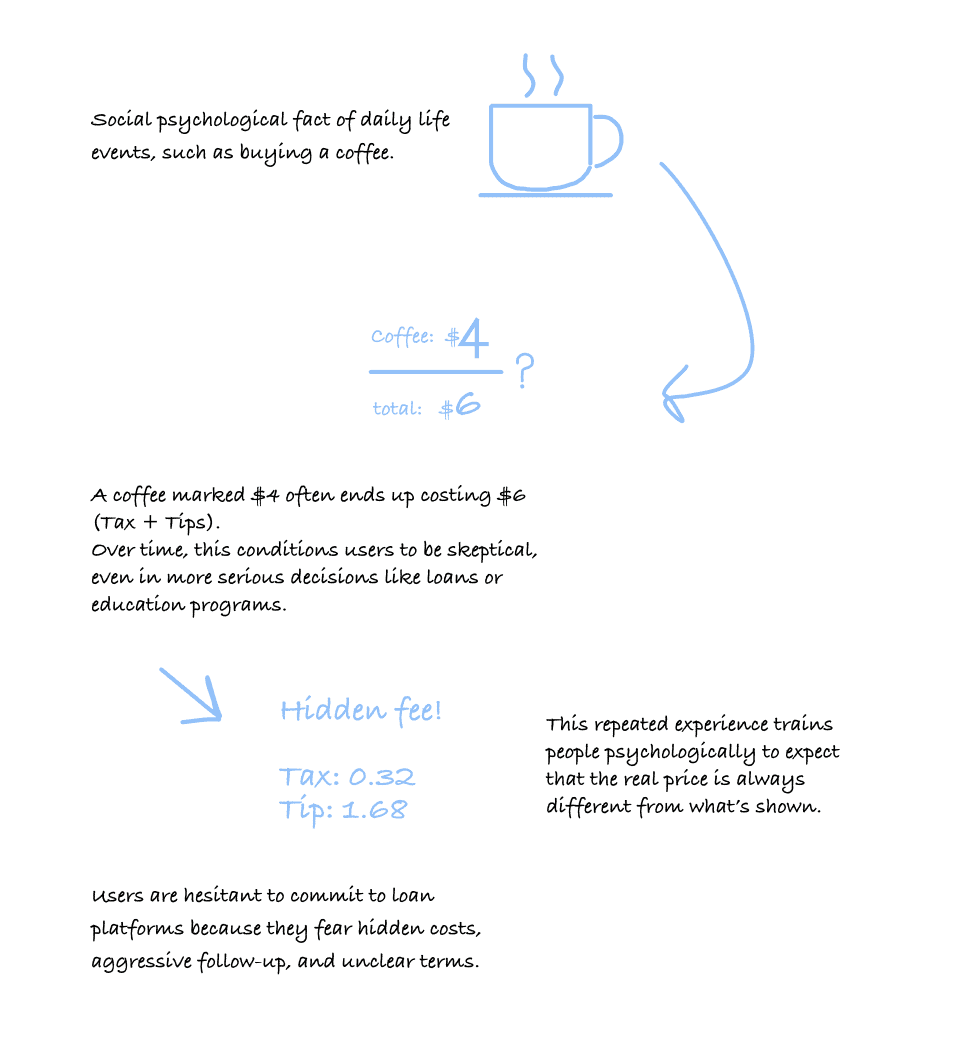
I explored how small daily experiences shape user psychology around money and transparency.
In the U.S., a coffee labeled $4 often ends up costing $6 after tax and tip.
This constant mismatch between expectation and reality subconsciously teaches society not to trust what they see especially in bigger financial decisions like loans. That insight became the foundation for my design approach: transparency builds trust.
Understand the business
During the rebrand from Meratas to CareerBond, stakeholders aimed to increase application completion and communicate transparency as a core value. The UX needed to reduce drop-offs, simplify decision-making, and reinforce brand credibility.
Applicants want total cost and repayment clarity before sharing personal data.”
Rebrand goals: clarity, trust, and smoother application flow.
Understand the users
Through interviews and usability tests, applicants reported uncertainty around total cost and repayment details. Many expected hidden fees and hesitated to proceed without seeing clear numbers first. Trust and clarity emerged as the primary barriers to completion.
Understand the Platform
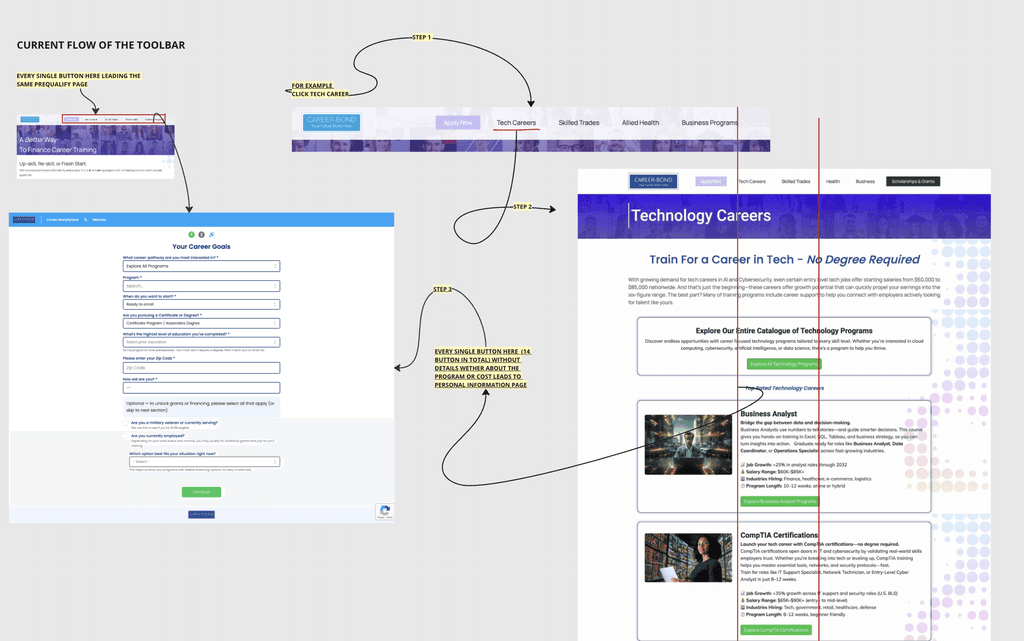
The platform redirected users to the same information form whether they were exploring programs or checking loan options. Before seeing any actual details, users were asked for personal data like age, zip code, and education level. This created a falseasense of choice and eroded trust early in the journey. To fix this, I focused on giving users value before vulnerability, showing clear program and loan information before asking for personal details.
Our Solutions
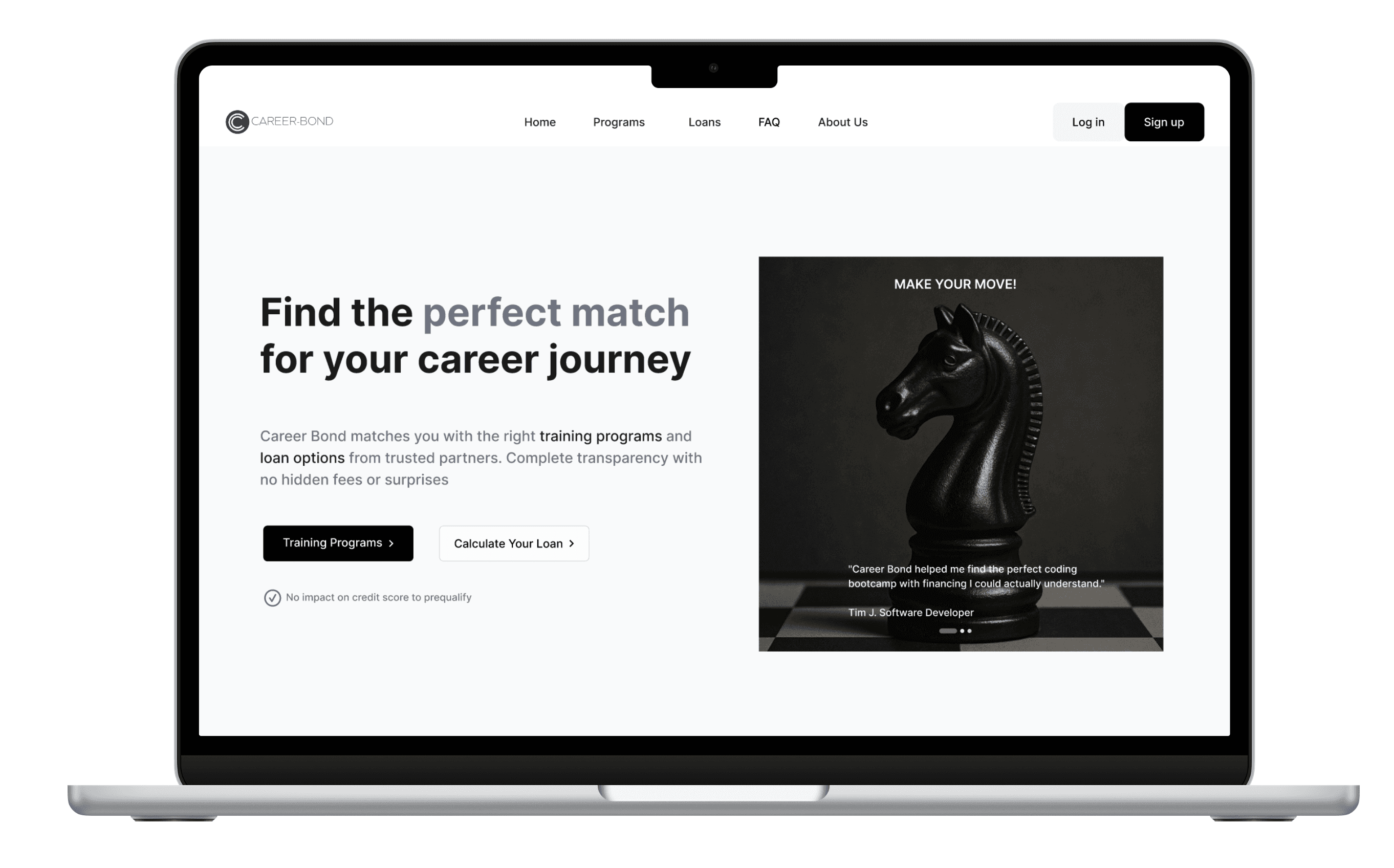
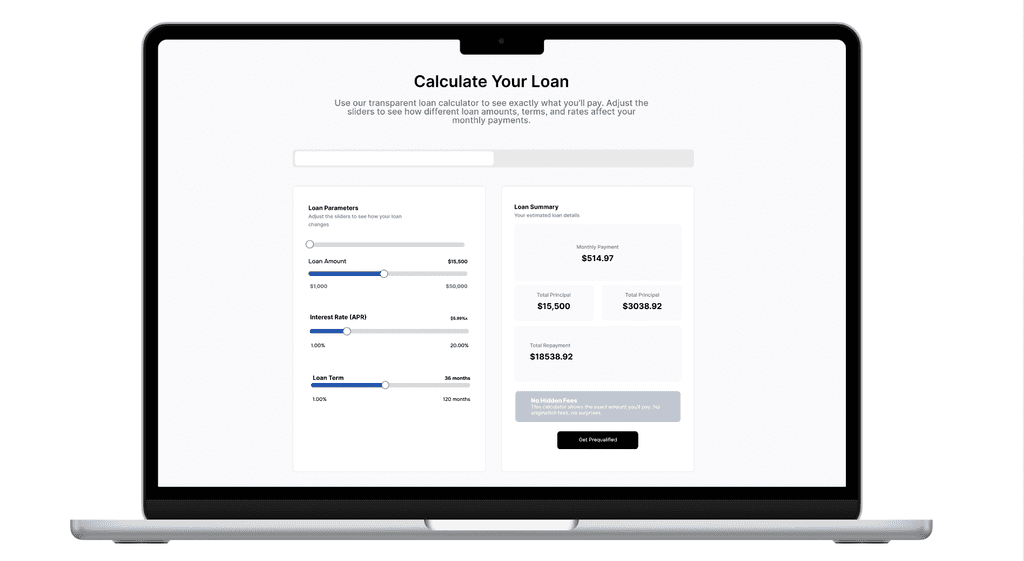
The core problem stemmed from a lack of transparency users were asked for information before receiving value.To rebuild trust, I designed an interactive loan calculator that showed real numbers upfront, helping users understand total repayment before committing. This shift from “Apply to see your rate” to “Preview before applying” created an open and confidence-driven flow.
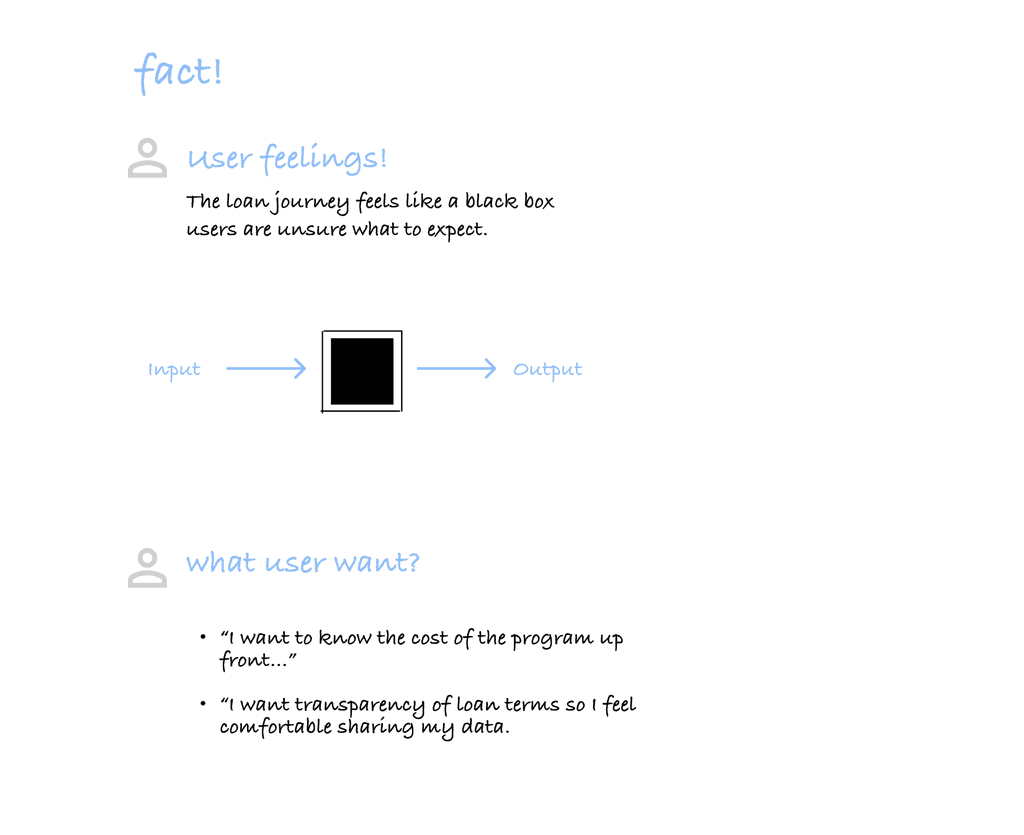
User insights revealing emotional disconnect and the need for clarity before commitment.
Simplify application entry flow
The original toolbar redirected users to the same “Career Goals” form regardless of their intent. I restructured the entry points to distinguish between program discovery and loan options, preventing unnecessary repetition and user frustration.
Introduce upfront cost visibility
Users hesitated to proceed without understanding total program costs.I introduced an interactive loan calculator prototype showing repayment breakdowns and total costs before personal data entry.
→ This directly addressed transparency and built early trust.
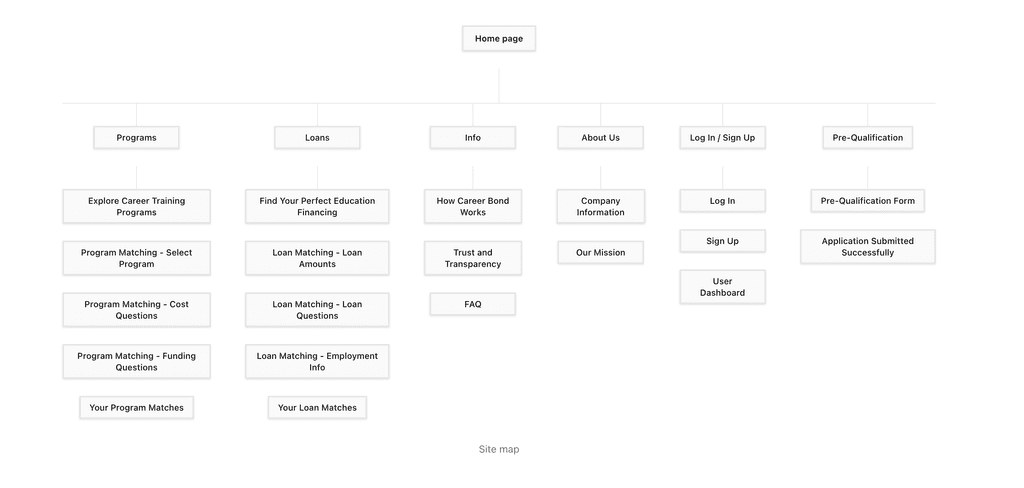
Clarify navigation hierarchy
The old multi-step form and program listing caused confusion.
I proposed a simplified structure where users could first explore programs, then preview financing — reducing perceived friction.
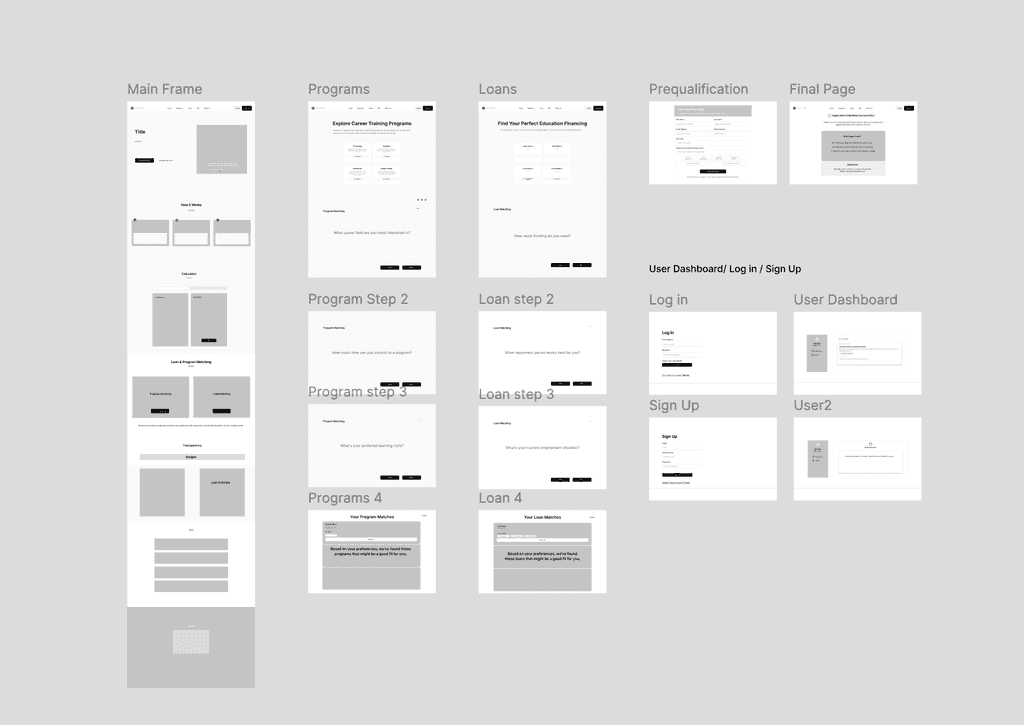
Existing interface: users struggled to locate relevant loan programs and understand repayment terms.
Designed calculator prototype with simplified breakdown and transparent costs.
Finding Programs
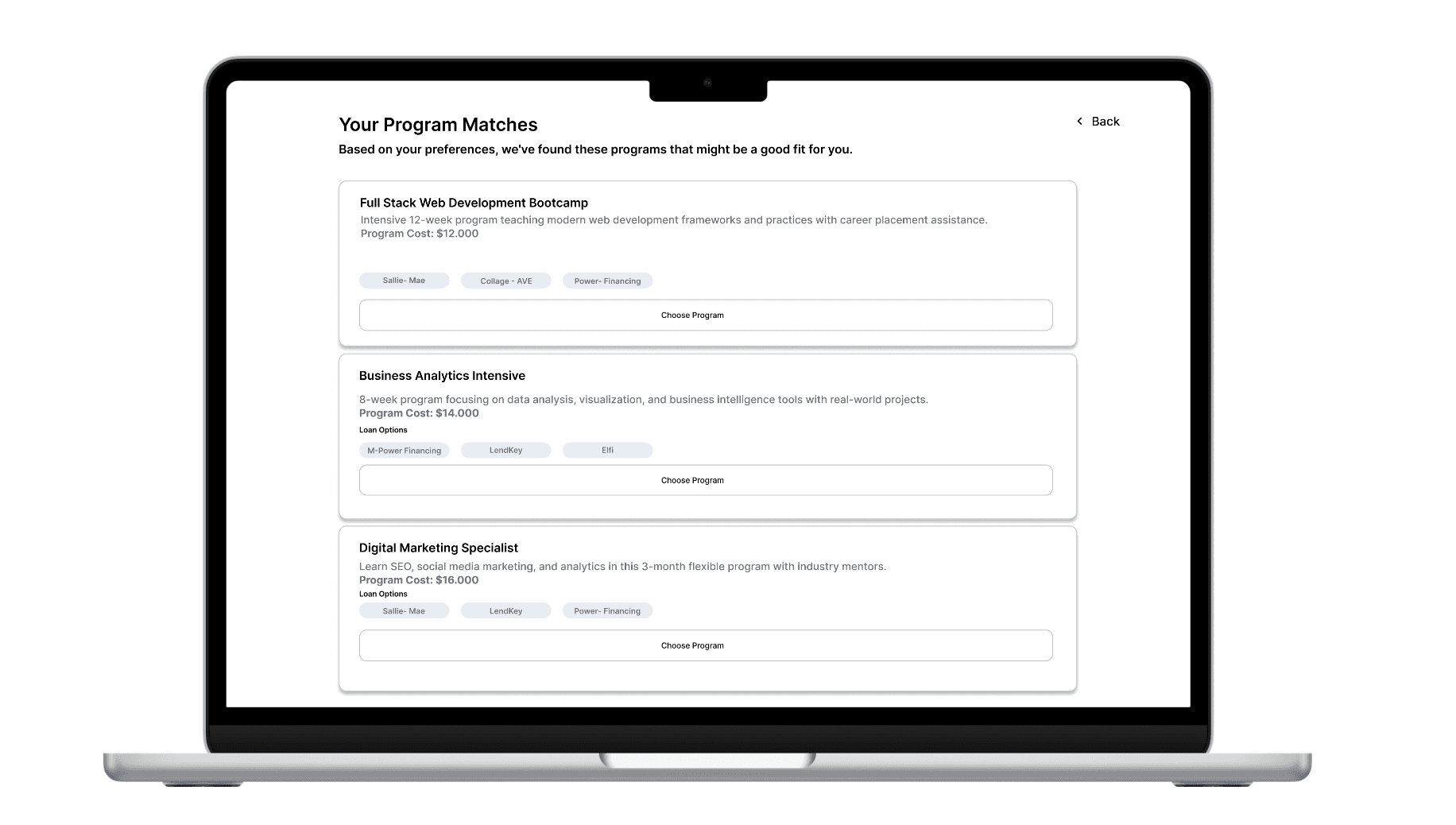
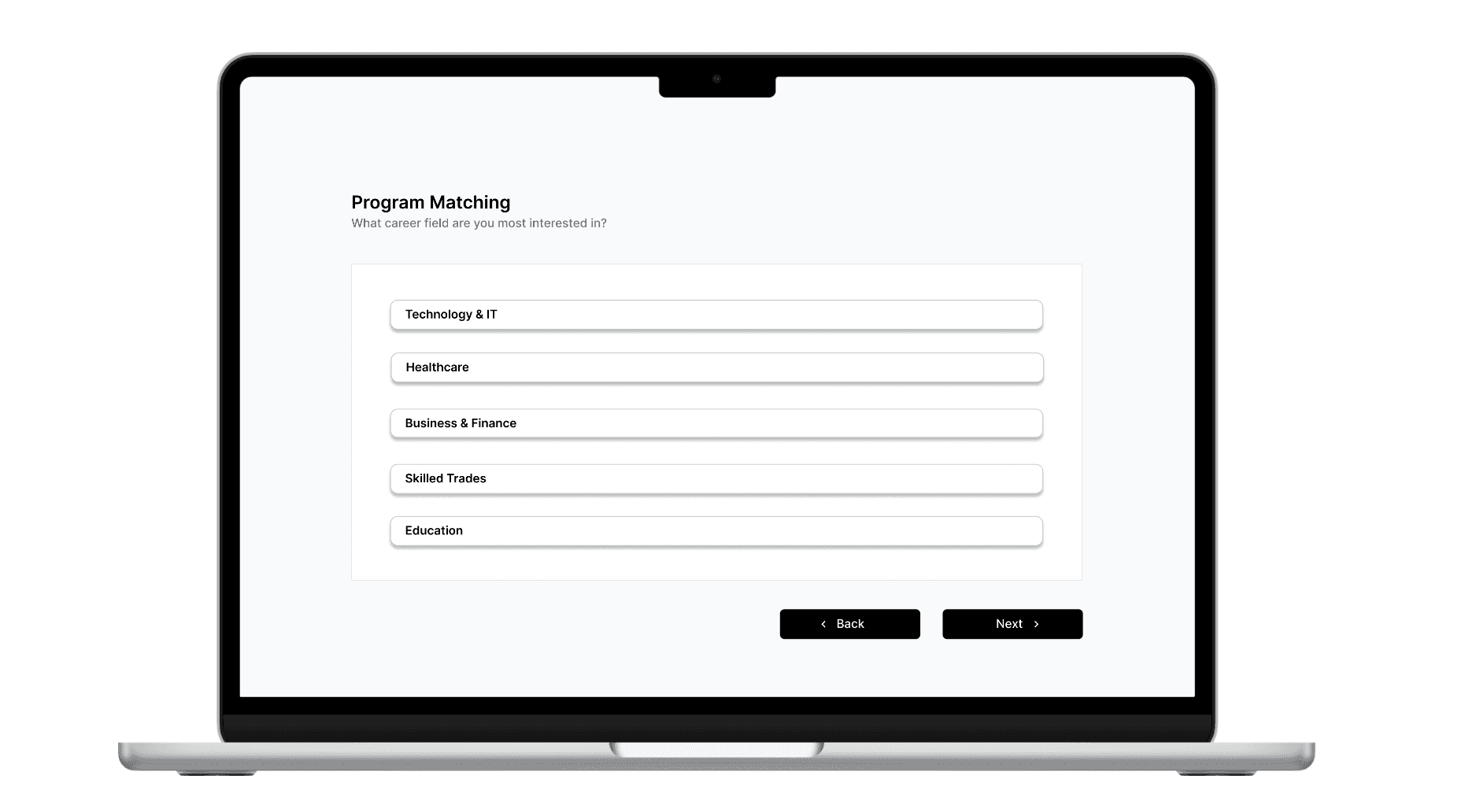
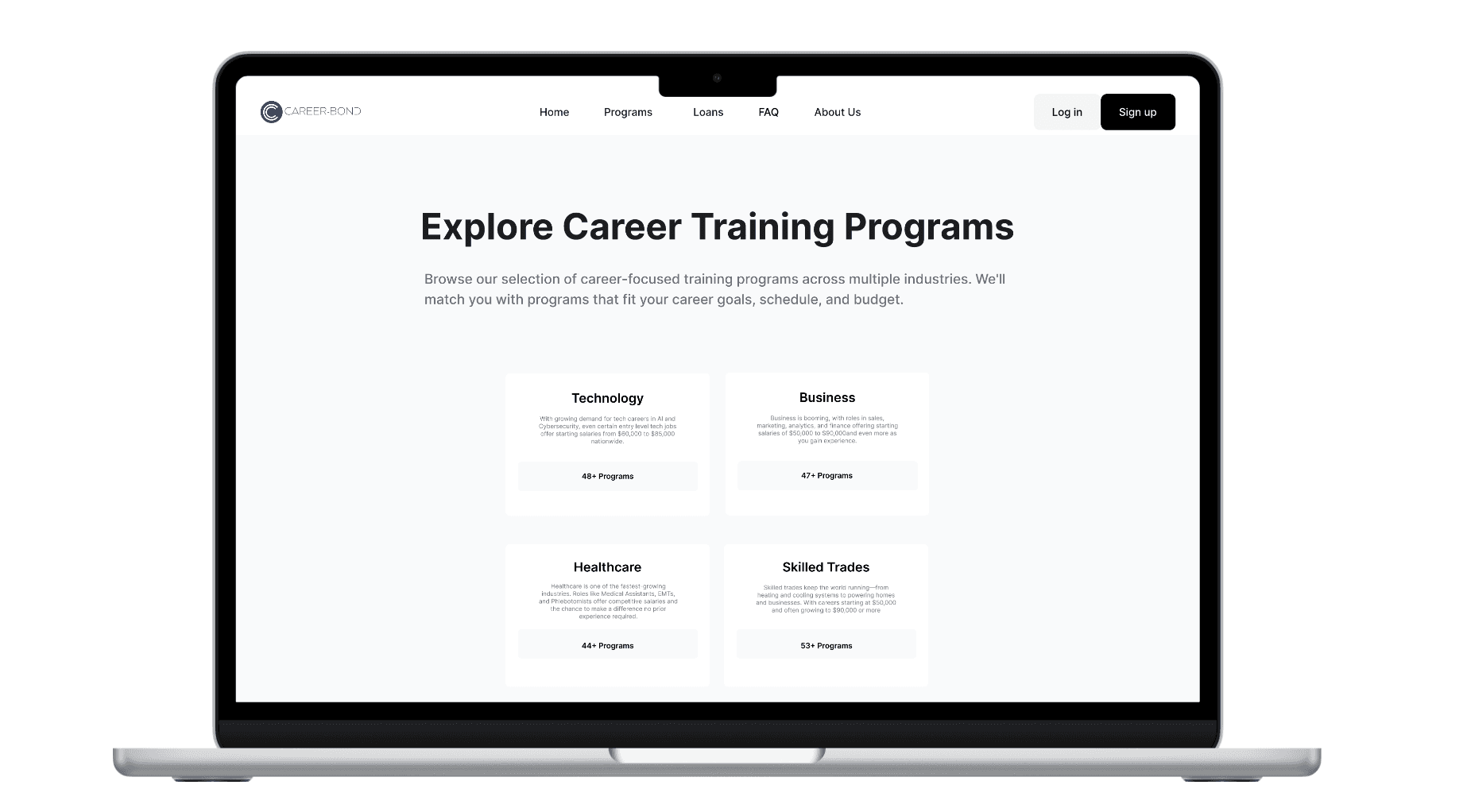
User Interface Design
Discovery of
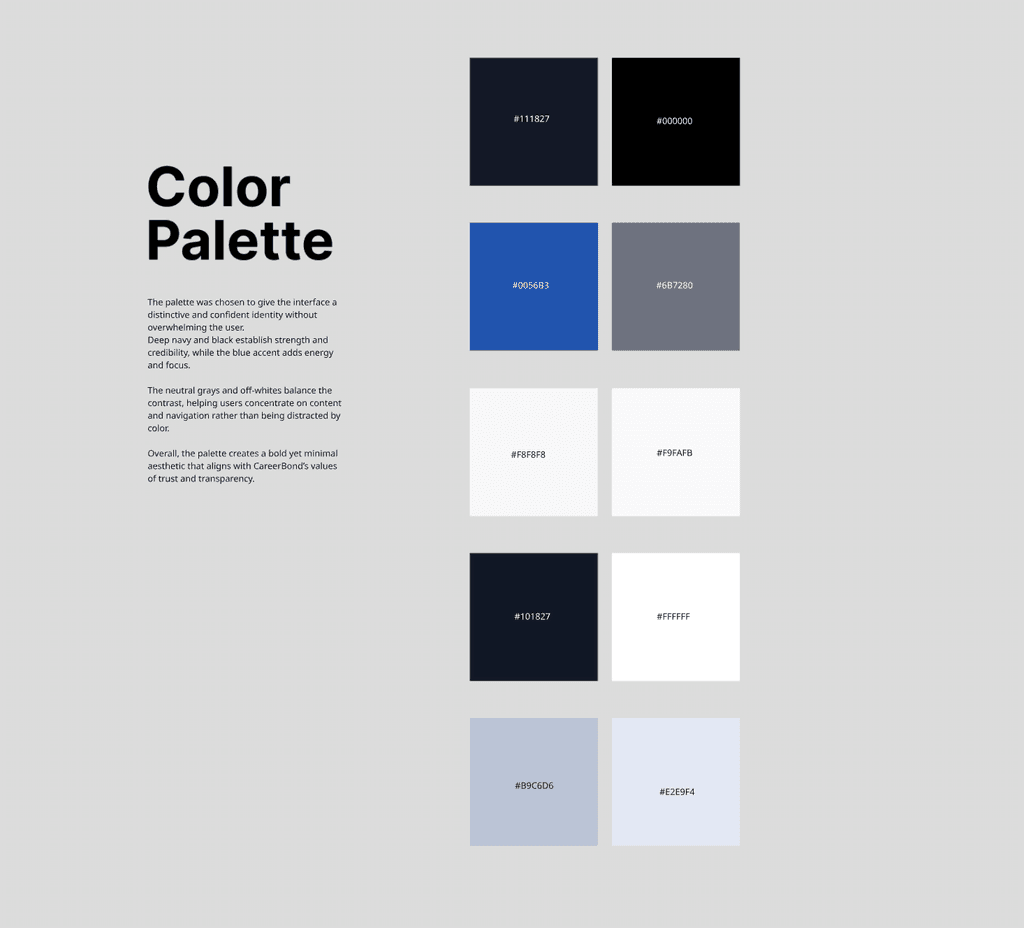
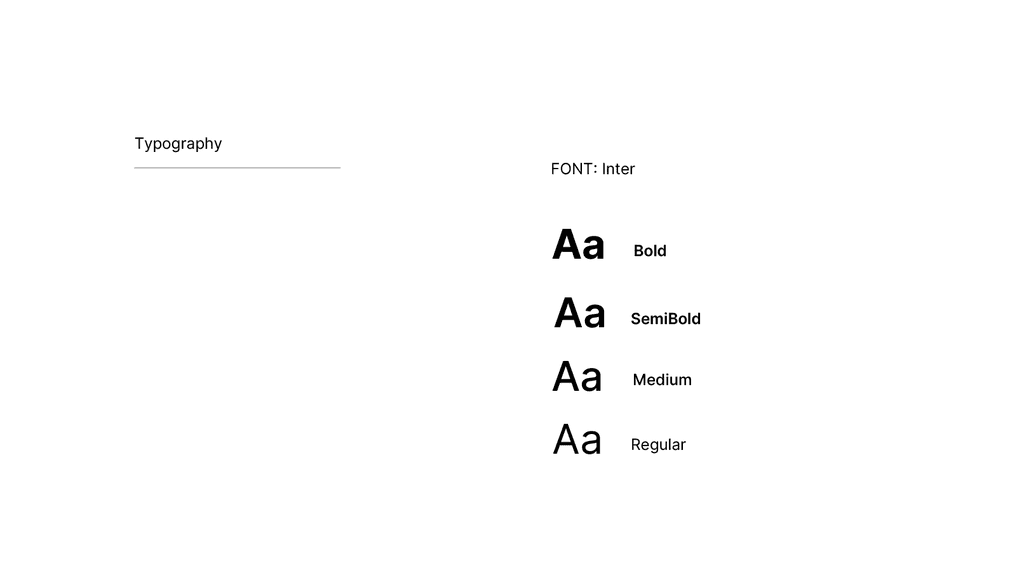
Typography & Color Palette